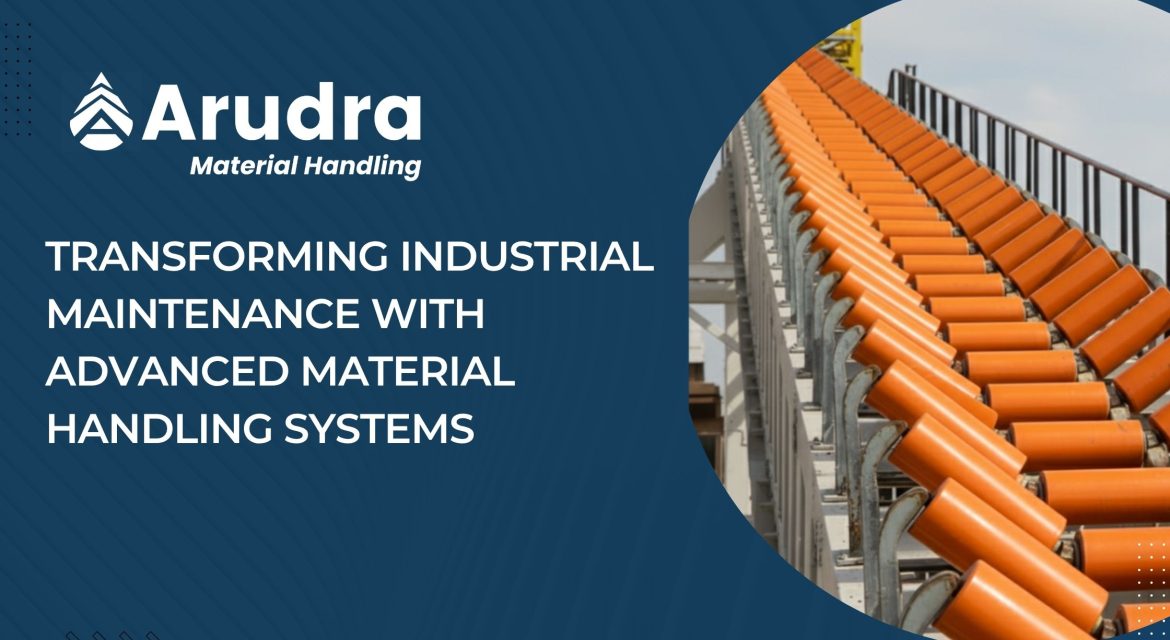
Industrial maintenance plays a critical role in ensuring the longevity, safety, and efficiency of equipment and facilities. In sectors such as power plants, petrochemicals, and refineries, operational demands are high, and even minor inefficiencies can lead to costly downtime. One of the most effective ways to enhance maintenance practices is through the integration of advanced material handling systems.
The Importance of Material Handling in Industrial Maintenance
Material handling systems form the backbone of industrial operations, enabling the safe and efficient movement, storage, and control of materials. When designed and implemented effectively, these systems significantly improve workflow efficiency, reduce manual intervention, and enhance overall plant reliability.
Advanced Material Handling Technologies
1. Innovative System Design
Modern material handling systems incorporate advanced engineering and automation to improve operational efficiency. From automated conveyors to precision-controlled lifting systems, these solutions ensure smooth and accurate handling of materials, even in demanding industrial environments.
These innovations help reduce human error, enhance productivity, and support continuous plant operations.
2. Customized Engineering Solutions
Every industrial facility operates under unique conditions, requiring tailored material handling solutions. Advanced providers work closely with plant teams to design systems that align with specific operational requirements, including load capacities, environmental conditions, and workflow patterns.
This customized approach ensures optimal system performance while minimizing operational disruptions.
3. Robust and Durable Equipment
Material handling equipment is engineered to withstand harsh industrial conditions such as high temperatures, abrasive materials, and heavy loads. High-quality materials and precision manufacturing ensure long-term durability and consistent performance.
This reliability is essential for maintaining uninterrupted industrial operations and reducing maintenance frequency.
Comprehensive Material Handling Solutions
Wide Range of Equipment
Modern material handling systems cover a broad spectrum of equipment, including:
- Conveyor systems for continuous material flow
- Cranes and hoists for heavy lifting operations
- Storage and transfer systems for efficient material management
- Custom-engineered solutions for specialized applications
Each system is designed to deliver high performance under critical operating conditions.
Strong After-Sales Support
Effective maintenance and service support are key to maximizing equipment life. Comprehensive after-sales services include:
- Preventive maintenance programs
- Spare parts availability
- Technical assistance and system upgrades
This ensures that material handling systems continue to operate at peak efficiency throughout their lifecycle.
Enhancing Operational Efficiency
The implementation of advanced material handling systems directly contributes to improved industrial performance.
Reduced Downtime
Efficient material flow and automated handling minimize operational delays and reduce the need for frequent manual interventions, ensuring smoother plant operations.
Improved Safety
Modern systems are designed with enhanced safety features, reducing risks associated with manual handling, heavy lifting, and material transport.
Cost Optimization
By improving efficiency and reducing wear and tear on equipment, material handling systems help lower maintenance costs and extend asset life, resulting in long-term financial savings.
Conclusion
Advanced material handling systems are transforming industrial maintenance by improving efficiency, safety, and reliability. With a focus on innovative design, customized solutions, and robust performance, these systems play a vital role in modern industrial operations.
For industries aiming to enhance productivity and reduce operational risks, investing in high-performance material handling systems is not just an option—it is a strategic necessity.